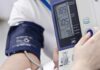
A small sip of peppermint oil, taken twice a day for just 20 days, dropped systolic blood pressure by more than 8 points in a new placebo-controlled trial.
Quick Take
- A registered 40-person trial found peppermint oil lowered systolic blood pressure by an average of 8.48 mmHg more than a placebo.
- Participants had prehypertension or stage 1 hypertension and took the oil diluted in water, twice daily, for 20 days.
- The peppermint group’s systolic reading dropped from about 130 to 122, while the placebo group barely moved.
- Researchers registered the study in advance and used a flavored placebo, strengthening confidence in the result.
- The trial is small and short, so it shows a promising signal rather than proof the oil replaces blood pressure medicine.
What The Trial Actually Found
Scientists ran a randomized, placebo-controlled study testing peppermint oil against a look-alike placebo in adults with prehypertension or stage 1 hypertension. After 20 days, the peppermint group showed an adjusted systolic blood pressure drop of 8.48 mmHg compared to the placebo group, a gap large enough to be statistically meaningful. The study was registered publicly before it began, which adds weight to the result.
The numbers tell the story plainly. Peppermint-oil participants started at an average systolic pressure of 130.05 mmHg and ended at 121.97 mmHg after 20 days. The placebo group barely budged, going from 130.93 to 131.05 mmHg. That contrast, a real drop versus essentially no change, is what gives the finding its punch.
How The Study Was Built
Researchers designed this as a parallel randomized trial, meaning one group got real peppermint oil while the other got a flavored placebo, and neither side knew which one they received. The protocol called for 40 participants total, diluting the oil in 100 milliliters of water and dosing it twice a day. The trial was listed on ClinicalTrials.gov under study number NCT05561543, with systolic blood pressure measured at the start and again at day 20.
Registering a trial ahead of time matters because it locks in the plan before anyone sees the results. It stops researchers from quietly changing their goalposts after the data comes in. That’s exactly what happened here, and it’s a big reason this result deserves serious attention rather than dismissal as a fluke.
Why This Isn’t The Final Word Yet
Forty people is a small group. It’s enough to spot a promising signal, but not enough to guarantee the same effect holds up across older adults, people on blood pressure medication, or other ethnic and health backgrounds. The 20-day window also only shows a short-term change. Nobody yet knows if the drop lasts, fades, or grows with longer use.
There’s also a wrinkle worth untangling. Different versions of the study materials describe the dose slightly differently, some say 100 microliters once a day, others say it was split into two 50-microliter doses. That’s a detail future researchers need to pin down before anyone tries to copy the results at home or in a clinic.
Where Peppermint Fits Among Natural Remedies
Health researchers have long combed through herbs and supplements looking for ones that genuinely move the needle on blood pressure. Most come up short on solid evidence, and quality control on herbal products varies wildly from bottle to bottle. This peppermint trial stands out because it followed strict scientific rules, randomization, a real placebo, and a registered plan, which most herbal supplement studies skip entirely.
An earlier, smaller peppermint study found a similar but weaker effect, a 4.53 mmHg drop compared to placebo. This newer trial nearly doubled that number, which is encouraging but also a reminder that early results in natural medicine research often shift as more data comes in. Bigger, longer trials involving people already on prescribed blood pressure drugs are the next logical step.
What This Means For Everyday Readers
Nobody should toss out their prescribed hypertension medication because a bottle of peppermint oil sits on a store shelf. This study tested a specific, measured preparation under medical supervision, not whatever concentration happens to be sold at a local pharmacy. Commercial peppermint oil products vary in strength and purity, and swapping them in for doctor-approved treatment carries real risk.
Still, the common-sense takeaway here is refreshing. A cheap, widely available plant extract, taken in a controlled way, produced a real, measurable effect in a properly designed trial. That’s worth watching closely, talking about with a doctor, and funding further research on, rather than either dismissing it outright or treating it as a miracle cure overnight.
New RCT: Taking a tiny dose of peppermint oil twice a day for 20 days lowered systolic blood pressure by ~8.5 mmHg in people with elevated/stage 1 hypertension vs placebo.
Also reduced heart rate. Cheap + easy. Published in PLOS One.
Worth a look → https://t.co/8Egyu3tZfY
— Rakesh (@Rakesh_Gowda1) November 25, 2026
Science moves in small, careful steps, and this 20-day peppermint trial is one of those steps. The next phase belongs to larger studies that test whether this effect truly holds up over months, across diverse patients, and alongside standard medical care.
Sources:
sciencedaily.com, journals.plos.org, clinicaltrials.gov, pmc.ncbi.nlm.nih.gov, knowledge.lancashire.ac.uk