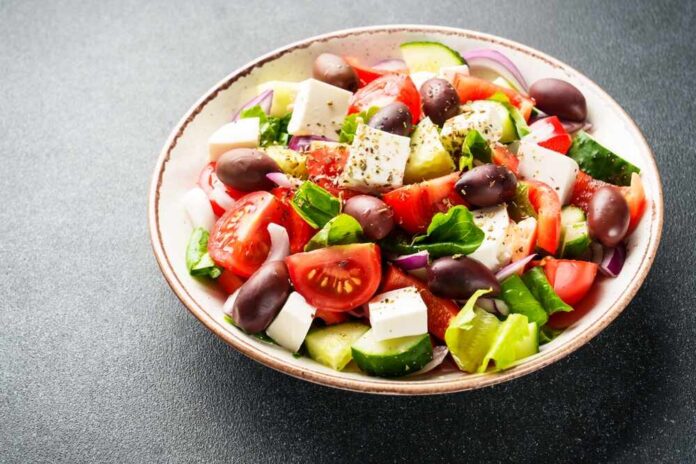
The fastest way to make a salad feel like a real meal is to hit a hard protein target—30 grams—then build everything else around that anchor.
Quick Take
- “30+ grams per serving” isn’t a vibe; it’s a math problem you can solve with a repeatable formula.
- Elizabeth Rider’s 30g chicken summer salad popularized an easy template: cooked protein, chopped crunch, and a bold dressing.
- Vegan and vegetarian versions can reach 30g with smart stacking (beans, quinoa, edamame, nuts/seeds), plus more fiber.
- Portion drift explains most “high-protein” salad failures—especially with chicken, cheese, and dressings.
The 30-Gram Protein Rule That Turns “Diet Food” Into Lunch
Thirty grams matters because it changes the job of the salad. Instead of a starter that leaves you rummaging for crackers an hour later, it becomes a complete lunch that supports muscle maintenance and steadier appetite. Creators keep circling the same sweet spot—roughly 20–40 grams per meal—because it’s practical: one clear target, easy to portion, and forgiving if you vary ingredients all week without cooking a new dinner every night.
The cultural shift happened quietly. Salads used to signal restriction: leafy greens, a few tomatoes, maybe a sad sprinkle of cheese. Then fitness logging, macro tracking, and “high-protein hacks” made protein the starring metric, and salads got promoted from side dish to main course. That upgrade also fits the current kitchen reality: fewer people want complicated weekday recipes, and inflation makes “build-a-bowl” meal prep more appealing than overpriced grab-and-go.
Why Elizabeth Rider’s Chicken Version Became the Blueprint
Rider’s 30g chicken salad works because it solves three problems at once: protein density, texture, and repeatability. The base is straightforward—cooked chicken breast—then she piles on crisp vegetables like bell pepper, cucumber, tomatoes, and red onion, plus richness from avocado and freshness from microgreens. The lemon-tahini dressing does the heavy lifting, turning meal-prep ingredients into something you’d actually look forward to eating.
The conservative, common-sense appeal here is obvious: this is real food you can pronounce, made at home, with portions you control. No powdered “miracle” add-ins. No expensive subscription box required. The only “hack” is planning—cook the chicken once, chop vegetables while it rests, and you’ve built several lunches that won’t sabotage your afternoon with a sugar crash or a drive-thru detour.
The Formula: Pick One Protein Anchor, Then Stack for Crunch and Staying Power
Think in layers, not recipes. Start with a protein anchor that can plausibly deliver most of your 30 grams: chicken, tuna, salmon, lean steak strips, eggs plus Greek yogurt-based dressing, or for plant-based eaters, a combination like lentils and quinoa. Then add two “crunch and volume” vegetables (cucumber, peppers, shredded cabbage) and one “richness” ingredient (avocado, olives, a measured portion of cheese, or nuts).
Dressings make or break the whole plan. They can raise calories fast, but they also determine whether you enjoy the salad enough to repeat it. A lemon-tahini style dressing brings fat and flavor that helps vegetables taste like dinner, not penance. For a leaner option, builders often use mustard-forward vinaigrettes or yogurt-based dressings. Common sense wins: measure once or twice until your eye learns what “one serving” actually looks like.
Plant-Based 30g Salads: Harder, Not Impossible—and Often More Filling
Vegan “power salads” have stayed popular because they solve a different problem: fiber. Beans, lentils, edamame, and quinoa can hit 30 grams when combined intelligently, and the tradeoff is usually more chew and a slower digestion curve—many people feel full longer. The drawback is volume and planning; you often need two protein contributors instead of one, and portion sizes matter because macros shift quickly with scoops.
Creators who teach plant-based builds emphasize stacking: greens plus legumes, plus a whole grain or seed, plus a finishing protein bump like hemp hearts or nutritional yeast. That approach aligns with practical nutrition rather than ideology. The goal isn’t to “win” a food tribe argument; it’s to make lunch work for your body and schedule. When people complain plant-based salads “never fill them up,” they usually under-portion the protein layer.
The Two Biggest Ways People Miss 30 Grams Without Realizing It
First mistake: confusing “there is protein in here” with “this meal is high protein.” A sprinkle of feta or a few chickpeas won’t carry the load. Second mistake: relying on vague serving sizes. “One pound of chicken” sounds huge until you divide it across multiple containers; suddenly your “high-protein” lunch has 15–20 grams. The fix stays boring and effective: decide how many servings you want, then portion the protein first.
Macro claims also vary because recipes aren’t lab-tested. Even honest creators estimate based on standard databases, and small swaps—different breading, extra avocado, a heavy pour of tahini—change the totals. That doesn’t mean the trend is fake; it means you should treat 30 grams as a target band, not a courtroom verdict. If your salad keeps you satisfied and supports your training, the system works.
A Meal-Prep Mindset That Beats “Motivation” Every Time
The reason these salads keep circulating is not novelty; it’s compliance. People repeat what’s easy. The smartest move is building a weekly rotation: one animal-protein option and one plant-based option, both using overlapping vegetables, so nothing rots in the crisper drawer. Keep the dressing distinct so the meals don’t taste identical. That habit is old-school discipline, and it beats the modern tendency to chase the next viral recipe.
Salads don’t need to be a punishment or a personality. They need to be a dependable meal. The 30-gram formula turns the whole debate into a simple decision tree: choose your anchor protein, measure it like you mean it, then add color, crunch, and a dressing you’d pay for at a restaurant. Do that consistently and the “salad” stops being diet food—it becomes lunch with a backbone.
Sources:
How to build a 30g protein salad
We Love This High Fiber High Protein Salad for Weekday Lunch











![✅ Best Electric Shaver 2026 [Find Which Electric Shaver is Right for YOU?]](https://pureliving365.com/wp-content/uploads/sites/11/2026/07/maxresdefault-22-100x70.jpg "Men’s Best Overall Electric Razor 2026")