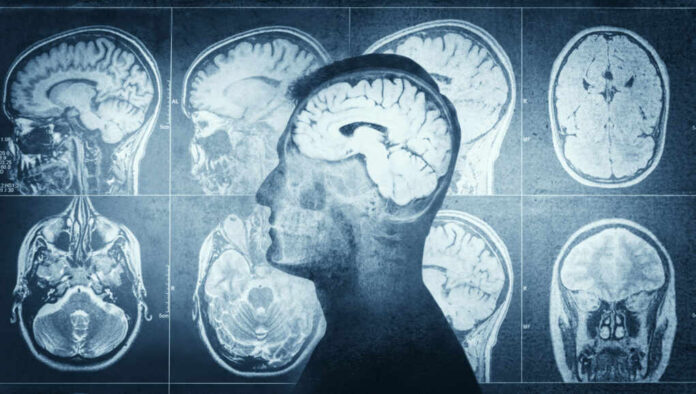
Your brain will likely outlive your career—but only if you stop treating concussions like sprained ankles.
Story Snapshot
- Ex–soccer star Taylor Twellman’s six-plus concussions ended his career before age 30 and still affect his daily life.
- Repeated head hits are linked to long-term brain problems, but the exact impact on lifespan is still uncertain.
- Modern science says most people recover—but some do not, and men often ignore the warning signs.
- Simple, boring habits today may matter more for your future brain than any helmet or app.
The brutal wake-up call most men never see coming
Taylor Twellman was one of the best goal scorers in American soccer when his brain pulled the plug on his body. A series of at least six or seven diagnosed concussions, most knocking him out cold, ended his career around age 30.[3] One hit in 2008 was the “straw that broke the camel’s back,” and he never really came back the same.[1] He still battles headaches, vertigo, and exercise limits years later.[1][2] That is not “getting your bell rung.” That is a system failure.
Most men watching from the couch make the same mistake: they see a rare case and shrug it off as “just athletes.” But Twellman’s story sits on top of a pile of research that should make every middle-aged man pause. Large reviews of athletes with repeated concussions show higher rates of memory problems, mild cognitive impairment, and mood issues later in life.[17][18][19] The more concussions, the higher the risk. That is not fearmongering. That is pattern recognition.
What science really says about concussions and longevity
Here is the hard truth: no honest doctor can look you in the eye and say, “Your concussions will definitely shorten your life.” The science is not that precise. Big studies on contact sports show links between repeated head injuries and dementia-like changes, depression, and earlier cognitive decline.[17][18][19][20] But they also admit they cannot yet pin down the exact odds for any single man. Some former players are a mess at 55. Others stay sharp into their 80s.
That uncertainty cuts both ways. On one side, it gives leagues and bureaucrats cover to say, “We need more data” while business carries on. On the other, it gives too many men an excuse to do nothing. When the downside risk is your mind and your independence, you do not wait for a perfect study. You respect the red flags and act as if your brain is not replaceable—because it is not.
Most concussions heal—but “most” is not good enough if you are the exception
Doctors still say many people recover fully from a single concussion within weeks, especially with proper rest and gradual return to activity.[14][16] That is good news and matches what parents see when their kids bounce back. But a stubborn minority develop post-concussion syndrome: months or years of headaches, dizziness, sleep problems, anxiety, and brain fog.[20] Twellman lives in that minority.[2][7] Once you are in that group, your “long game” changes. You do not get to pretend you are 18 and bulletproof.
Repeated concussions raise the stakes. Reviews of former professional football players, boxers, and other contact athletes show that three or more concussions are tied to higher rates of mild cognitive impairment and serious mood disorders later on.[17][18][19] Some studies even suggest earlier onset of diseases like Alzheimer’s in heavily exposed groups.[18][19] Again, not every man with three concussions is doomed. But the risk curve tilts in the wrong direction with each blow, and there is no reset button.
What smart men do now to protect their future brain
The best defense is not one magic fix. It is stacking small, boring wins that add up over decades. Doctors who study concussion and longevity keep coming back to the same pillars: avoid repeat head trauma when you can; train your neck and core if you play contact sports; and live like your brain is your most valuable asset.[4][10][11][13][19][21][1] That means solid sleep, real exercise, clean eating, blood pressure control, and cutting back on booze and junk.
For fathers and grandfathers, the job doubles. You do not have to wrap kids in bubble wrap, but you should track their head injuries, push for honest reporting, and treat “just a knock” like the brain event it is.[21] Say no to coaches who shame kids for speaking up. Support rules that pull clearly concussed players off the field fast, even if it costs a big game. That is not weakness. That is leadership. Your son or grandson can find another sport. He cannot find another brain.
Sources:
[1] Web – The Link Between Concussions & Longevity—And What All Men Should Know …
[2] Web – Player whose career was ended takes on concussions in soccer
[3] Web – Taylor Twellman – Wikipedia
[4] Web – Taylor Twellman encourages 4 million kids to sign concussion pledge
[5] Web – Taylor Twellman’s Experience With Concussions Ahead of World Cup
[7] Web – Taylor Twellman, the United States international whose career was …
[10] Web – Taylor Twellman | MLSsoccer.com
[11] Web – Concussions: A Review of Physiological Changes and Long-Term …
[12] Web – Concussion: What It Is, Symptoms, Causes & Treatments
[13] Web – [PDF] Concussion and Brain Health Position Statement 2024
[14] Web – Multiple Concussions: Long-Term Effects and Treatment Options
[15] Web – Concussion – symptoms, signs and treatment – Healthdirect
[16] Web – Sport-Related Concussion | Neurology Clinical Practice
[17] Web – Concussions can cause disruptions to everyday life in both the short …
[18] Web – [PDF] The Relationship Between Concussion and Violent Criminal …
[19] Web – [PDF] Guideline for Concussion/Mild Traumatic Brain Injury & …
[20] Web – When is it appropriate to return to normal activity after a concussion …
[21] Web – A systematic review of potential long-term effects of sport-related …