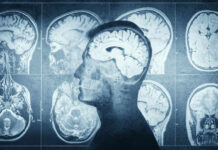
Depression may leave a physical mark on the brain’s memory center, and a new study of more than 2,000 older adults just showed exactly where.
Story Snapshot
- A University of Southern California-led study of 2,009 healthy adults ages 50 to 90 linked depression to smaller volume in a specific hippocampus subregion called CA23DG.
- Other hippocampus areas, including CA1 and the subiculum, showed no significant differences tied to depression.
- The link held up independent of major Alzheimer’s disease risk factors, according to researchers.
- Decades of earlier studies already tied depression to a smaller hippocampus, though results vary by study and by which side of the brain gets measured.
What The New Brain Scan Study Actually Found
Researchers with the University of Southern California’s Mark and Mary Stevens Neuroimaging and Informatics Institute analyzed high-resolution brain scans from 2,009 cognitively healthy adults between ages 50 and 90. They found that people with depression showed smaller volume in a hippocampus subregion known as CA23DG. The finding appeared in the journal Translational Psychiatry and was independent of major Alzheimer’s disease risk factors.
The hippocampus is not one uniform blob. It has several smaller sections, each with its own job in forming and storing memories. This study found no significant depression-linked differences in two other subregions, CA1 and the subiculum. That precision matters. It tells scientists depression does not shrink the whole memory center evenly. It appears to target one specific piece of it.
A Pattern That Goes Back Decades
This is not a lone finding. Scientists have studied the link between depression and hippocampal volume for more than 25 years. One early landmark study found patients with depression had a 19 percent smaller left hippocampus than people without depression, with no similar shrinkage in nearby brain structures. A later meta-analysis pooling multiple studies confirmed a significant reduction in both hemispheres among people with unipolar depression.
Other research has zeroed in on older adults specifically, the same population at the center of the new University of Southern California study. One study of nondemented seniors found that higher depression symptom scores tracked closely with smaller total hippocampal volume, with the relationship growing stronger as depressive symptoms worsened. Another found depression predicted a measurable drop in right hippocampal volume over a four-year followup period.
Why Scientists Still Debate Cause And Effect
Not every study agrees on the details. Some found reductions only in currently depressed patients, not those with a past history of depression. Others found no significant hippocampal difference tied to depressive symptoms at all in certain longitudinal samples. Researchers describe the overall body of evidence as heterogeneous, meaning the size, side, and timing of any shrinkage can shift depending on who is studied and how depression is measured.
The bigger unanswered question is which comes first. Does depression cause the hippocampus to shrink, or does a smaller hippocampus make someone more vulnerable to depression in the first place? One review examining this exact question found depression episodes linked to smaller hippocampal volumes, but could not fully separate cause from effect using the available data. Longer lifetime duration of depression appears tied to greater volume loss in several studies, which suggests a cumulative effect over time rather than damage from a single episode.
What This Means For Aging Americans
For readers over 50, the practical takeaway is straightforward. The hippocampus handles memory formation, and a growing pile of research says untreated depression may chip away at it over time. One study of adults at risk for cognitive decline found untreated depression among several factors, alongside poor sleep and diabetes, tied to reduced hippocampal volume. That places mental health squarely alongside physical health as a factor in brain aging.
None of this means every case of depression leads to memory loss or dementia. It means the connection between mood and brain structure is real, measurable, and worth taking seriously. Treating depression early, rather than dismissing it as an unavoidable part of aging, lines up with what decades of brain imaging both point toward: protecting mental health protects the brain itself.
Researchers say further work will need to track people over time to nail down whether treating depression earlier in life can slow or prevent this kind of volume loss in the memory center. That question remains open, but the association itself, backed now by a large new dataset, is not.
Sources:
nature.com, pmc.ncbi.nlm.nih.gov, keck.usc.edu, psypost.org, pubmed.ncbi.nlm.nih.gov, jneurosci.org, ncbi.nlm.nih.gov, researchers.mq.edu.au