A vitamin sold at any pharmacy is showing early signs it can help fight one of the deadliest brain cancers known to medicine.
Quick Take
- University of Calgary researchers are testing high-dose, controlled-release niacin alongside standard chemoradiation for glioblastoma.
- Early results from 24 patients show 82% had no cancer progression at six months, a 28% jump over past benchmarks.
- A peer-reviewed journal confirmed the same interim finding and set the maximum tolerated dose at 2000 milligrams a day.
- Researchers believe niacin may be waking up the immune system to fight the tumor directly.
A Grim Diagnosis Meets An Unlikely Challenger
Glioblastoma is one of the toughest cancers doctors face. It grows fast, hides from the immune system, and rarely responds well to treatment. Most patients get surgery, radiation, and a chemo drug called temozolomide. Even then, survival numbers have stayed stubbornly low for years. That grim backdrop makes any real improvement worth paying attention to, especially one built around a vitamin already sitting in grocery store aisles.
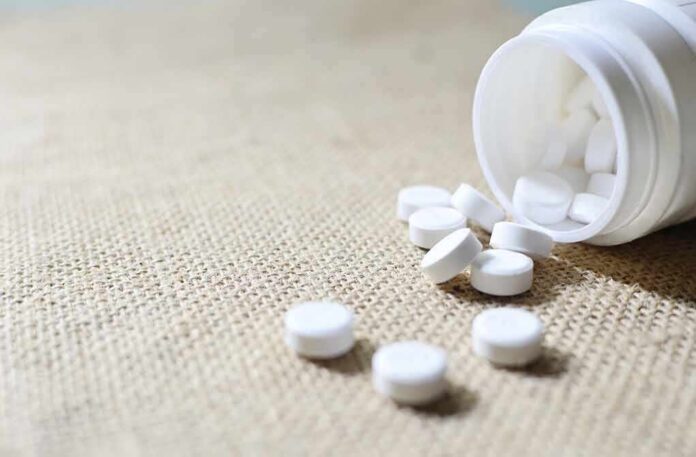
Vitamin B3, known as niacin, is not new to medicine. Doctors have prescribed it for decades to manage cholesterol. What is new is the idea of using a controlled-release, high-dose version of it as a cancer-fighting partner to radiation and chemotherapy. The University of Calgary launched a clinical trial built on that exact question, registered publicly as a formal phase I-II study at the Tom Baker Cancer Centre.
How The Trial Was Designed And What It Found
Researchers set a clear bar before the study began. If six-month progression-free survival did not improve by at least 20% compared to prior studies, the trial would stop. It did not stop. Early results from the first 24 patients blew past that mark, with 82% showing no signs of cancer progression at the six-month mark, according to the university’s own announcement.
That 82% figure represents a 28% absolute increase over benchmarks from earlier glioblastoma research, the university reported. A peer-reviewed article in the Journal of Neuro-Oncology backed up those same numbers through an interim phase II analysis, adding independent review weight behind the university’s own press statements. The same paper also pinned down the maximum tolerated dose of niacin at 2000 milligrams daily, giving future patients and doctors a concrete number to work with.
Why Scientists Think The Vitamin Is Working
Glioblastoma tumors are notorious for suppressing the body’s immune defenses nearby. Researchers studying this trial found that niacin treatment increased certain immune cells in patients’ blood, including memory T cells and natural killer cells, while lowering a type of immune cell linked to suppressing immune response. In plain terms, the vitamin appears to be helping the immune system notice the tumor again instead of looking the other way.
That immune signal matters because it gives doctors a plausible explanation for why tumors might stay controlled longer. Named investigators, including Voon Wee Yong and Gloria Roldan Urgoiti, lead the work through the Hotchkiss Brain Institute and Arnie Charbonneau Cancer Institute. Having identifiable scientists and institutions behind the claim gives it a level of accountability that anonymous internet health trends simply do not have.
What Still Needs To Happen Before This Becomes Standard Care
The current results come from just 24 patients, a small group by clinical trial standards. Researchers have not yet published a final phase II readout with overall survival data, which is the gold-standard measure in cancer research. Progression-free survival is encouraging, but it is a surrogate marker, not proof that patients are living longer lives. That distinction matters for anyone hoping this becomes a treatment option soon.
High-dose vitamin B3 is showing intriguing early promise as an addition to standard glioblastoma treatment, with 82% of patients in a small trial remaining progression-free after six months. Researchers believe niacin may help revive immune cells suppressehttps://t.co/iyebzQpvQo
— Michael W. Deem (@Michael_W_Deem) October 4, 2026
Full safety data, including detailed side effect tables and dropout rates, have not been fully released to the public yet. The known side effect so far is flushing, a harmless but uncomfortable skin reaction, which researchers say fades over time and improves with slower dose increases. Patients and families watching this trial closely should expect more data in the coming months as enrollment continues and follow-up data mature.
What This Means For Families Facing Glioblastoma Today
This is not a supplement aisle discovery. The niacin used in this trial is a controlled-release, clinically supervised, high-dose formulation, nothing like an over-the-counter vitamin bottle. Patients should not attempt to replicate these results on their own. What this trial offers is something glioblastoma families have not had in years: a specific, measurable, and repeatable early signal of hope, backed by real investigators willing to put their names behind the data.
Sources:
sciencedaily.com, ucalgary.ca, cumming.ucalgary.ca, eara.eu, can-acn.org