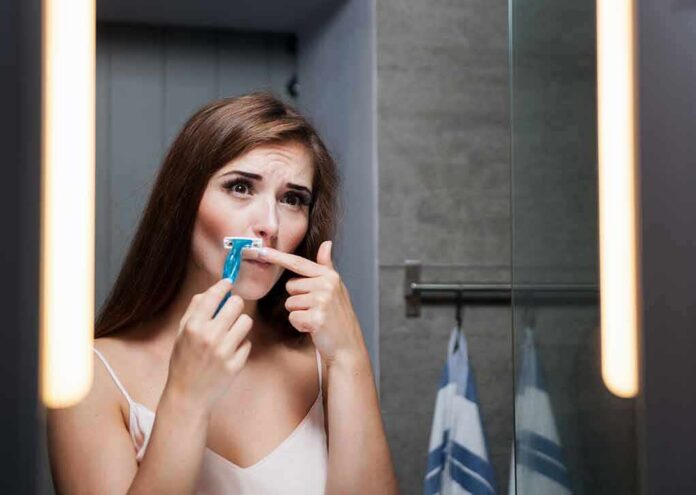
Shaving sensitive skin down there can leave a man raw, itchy, and reaching for anything to calm the burn, but dermatologists say not every bottle in the medicine cabinet is safe to use there.
Quick Take
- Cleveland Clinic confirms moisturizers and emollients can treat dry, irritated skin after shaving, backing up the basic idea behind post-shave balms.
- Men’s Health points to calming ingredients like aloe vera, chamomile, allantoin, and shea butter as helpful for freshly shaved intimate skin.
- Both Cleveland Clinic and dermatologists warn against fragrance, alcohol, witch hazel, and exfoliating acids on irritated skin in that area.
- A specialty brand, RFSU, sells a balm made just for intimate shaving, showing real consumer demand for this niche product category.
- No cited study has tested these specific products on genital skin in a controlled trial, so claims rest on general skin-care science.
Why Aftershave Matters More Below The Belt
Shaving breaks down the skin’s outer barrier no matter where you do it. That barrier damage can trigger redness, itching, burning, and dryness, according to Men’s Health grooming coverage. Skin in the groin area tends to be thinner and more sensitive than facial skin, which is why editors and dermatologists alike single out intimate shaving as needing its own aftercare rules rather than a generic drugstore splash.
Cleveland Clinic backs this up with plain medical language. The clinic lists moisturizer and emollients as recommended treatment when skin turns dry and irritated after a shave. That is the clinical foundation underneath every grooming article pushing a “best aftershave” list. The advice is not new or exotic. It is standard dermatology, just aimed at a part of the body people rarely discuss openly.
Ingredient labels matter here more than brand names. Men’s Health highlights aloe vera, chamomile, and allantoin as calming agents, plus glycerin, hyaluronic acid, panthenol, shea butter, cocoa butter, jojoba oil, safflower oil, and vitamin E for hydration and barrier repair. These are familiar skin-care ingredients used across moisturizers, not inventions dreamed up for a shopping list. Reading the back of the bottle before buying beats trusting the front label.
The Ingredients Experts Say To Avoid
Fragrance sounds harmless, but it is one of the most common irritants dermatologists flag for freshly shaved skin. Men’s Health and Cleveland Clinic both advise skipping heavily scented products, alcohol, and exfoliating acids like salicylic or lactic acid on intimate skin right after shaving. NBC Select adds a dermatologist’s warning that alcohol-based aftershaves, witch hazel, and tea tree oil can sting, dry out, or burn already-irritated skin.
That warning matters because the word “aftershave” covers wildly different products. A classic barbershop splash loaded with alcohol does the opposite job of a fragrance-free balm. NBC Select points to La Roche-Posay Cicaplast Balm B5, a fragrance-free, noncomedogenic option with dimethicone, glycerin, shea butter, and vitamin B5, as a product built for calming irritation rather than adding sting. Choosing the wrong category can undo any benefit a man expects.
Specialty intimate-care brands have noticed the gap. RFSU markets its Intim After Shave Balm specifically for intimate-area skin, claiming it reduces razor bumps, irritation, and tightness after shaving. That claim comes from the manufacturer, not an independent lab, which is worth keeping in mind. Still, the existence of a dedicated product line shows this is a recognized consumer need, not a niche curiosity invented by a magazine feature.
What The Science Can And Cannot Promise
Here is the honest limit of the evidence. Moisturizing after a shave is well supported for relieving dryness and general irritation. It is a different claim to say a balm prevents razor bumps, ingrown hairs, or folliculitis, which often involve hair growth patterns and shaving technique, not just skin hydration. Readers should treat these balms as comfort and recovery tools, not a guaranteed fix for bumps that keep coming back.
Dermatology research on fragrance and contact dermatitis reinforces why caution beats guesswork here. Scented creams and shaving products are a recognized trigger for allergic and irritant skin reactions, especially on skin already stressed by a razor. The safest approach is simple: pick fragrance-free, alcohol-free formulas with calming, moisturizing ingredients, patch test on a small area first, and skip anything marketed with a long scent description. That one habit does more for comfort than chasing the trendiest bottle on a shelf.
Sources:
menshealth.com, my.clevelandclinic.org, amazon.com.be