Millions now strap on a smartwatch every night hoping a glowing number will tell them if they slept well, but sleep doctors say that number might be making them feel worse.
Quick Take
- The BBC World Service podcast What in the World asks whether “sleepmaxxing,” the trend of optimizing sleep with gadgets and routines, actually helps.
- Host Iqra Farooq and sleep expert Sophie Bostock examine tools like smartwatches, magnesium supplements, black-out curtains, and white noise machines.
- BBC reporting warns that obsessing over tracker-generated “sleep scores” can trigger a condition called orthosomnia.
- A doctor quoted by the BBC says sleep scores are “created by manufacturers” and have no basis in recognized sleep science.
What The Episode Actually Covers
The BBC World Service published the episode “Is sleepmaxxing actually helpful?” on October 1, 2026, under its What in the World podcast banner. Host Iqra Farooq leads the discussion with producers Mollie Perella, Emily Horler, and Benita Barden, alongside editor Verity Wilde. The show pulls in BBC journalist Ashitha Nagesh and sleep expert Sophie Bostock to unpack the growing obsession with perfecting rest.
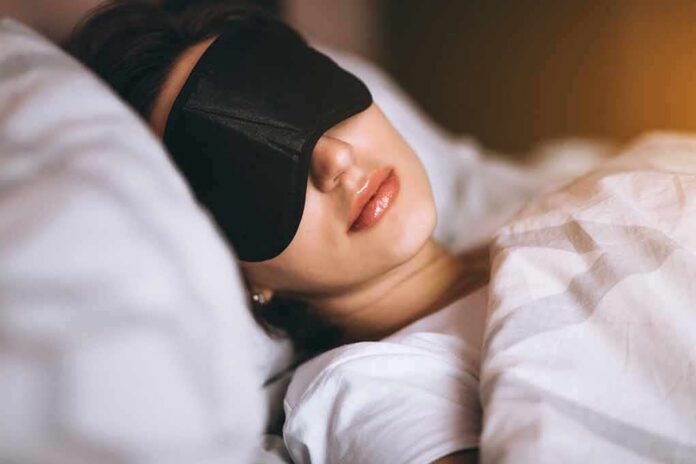
Sleepmaxxing covers more than just wearable gadgets. The episode describes people stacking magnesium supplements, black-out curtains, and white noise machines into nightly rituals meant to squeeze out better rest. Smartwatches sit at the center of the trend because they hand users a tidy “sleep score” each morning, turning a private biological process into something that feels measurable and competitive.
Why Experts Push Back On The Numbers
Sleep doctor Alanna Hare told the BBC that “there’s nothing recognised in sleep science that is a ‘sleep score.'” She said the metric was invented by device manufacturers, not clinicians. That is a notable statement because it means the number driving millions of morning routines carries no official medical weight. It is marketing dressed up as data.
The concern isn’t just academic. Clinicians have coined a real term, orthosomnia, for people who become anxious or obsessive about hitting a perfect sleep score. An Oxford University study cited by the BBC randomly assigned sleep scores to participants regardless of how they actually slept. Those told they scored poorly reported feeling more tired and less alert the next day, even though nothing about their actual sleep had changed.
A Trend Big Enough To Matter
This isn’t a fringe habit. Industry survey data shows nearly half of adults have used a sleep tracking device, up sharply from just a few years ago, and more than half of users say they change their behavior based on what the device tells them. Separate research found roughly one in three American adults use a digital sleep tool, and nearly a third of regular trackers show signs of orthosomnia risk.
How The BBC Frames The Trade-Off
The BBC has covered this ground before. An earlier program titled “What are the best sleep trackers?” reviewed devices and called the information they produce “insightful” for understanding sleep patterns. That earlier framing stands in contrast with the newer episode’s caution, showing the BBC treating trackers as genuinely useful tools that can also backfire when people lean on them too hard.
The honest takeaway sits in the middle. A tracker can nudge someone toward a consistent bedtime or flag a pattern worth mentioning to a doctor. But treating a manufacturer’s algorithm as gospel, and panicking over a bad “score,” can create the very sleeplessness people are trying to fix. Common sense says use the data as a rough guide, not a verdict, and trust how you actually feel over what a wristband tells you.
Sources:
youtube.com, bbc.co.uk, bbc.com, bbcgoodfood.com