Most broken bones can heal without surgery when you protect, align, and load them at the right time under a doctor’s plan.
Story Snapshot
- Orthopedic surgeons explain how to give a fracture its best shot to heal without surgery.
- American Academy of Orthopaedic Surgeons says many aligned fractures do well in a cast or brace.
- Follow immobilization exactly; add weight-bearing only when your surgeon says it is safe.
- Nutrition, no smoking, and close follow-up improve the odds; some fractures still need surgery.
Two surgeons lay out the nonsurgical playbook
Orthopedic surgeons Dr. Brad Weening and Dr. Paul Zalzal explain how to help a broken bone heal without surgery. Their core message is simple and strict. Protect the break with the right immobilizer. Keep it on as prescribed. Do not walk on, lift with, or twist through the broken part until your surgeon says you can. Then, when cleared, start gentle motion and weight as directed to wake the bone’s repair signals. This is not do-it-yourself care. It is doctor-led, stepwise healing.
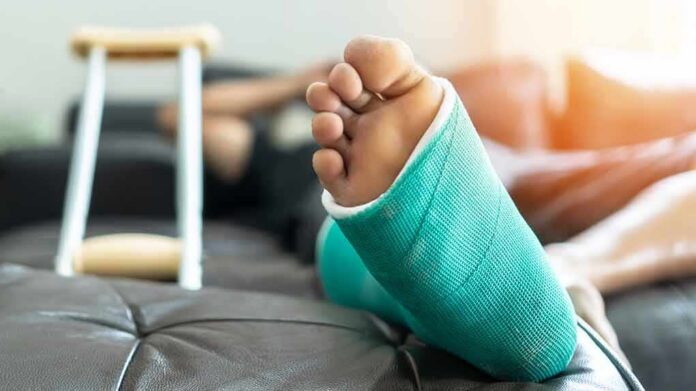
The surgeons stress that “most broken bones need immobilization.” That means a cast, boot, brace, or splint that locks the injured part in a safe position. They warn that taking it off early or “cheating” risks shifting the bones and losing alignment. They also note a key flip side. Once your surgeon allows movement or weight, you should begin. Controlled loading can stimulate bone formation, but timing and dose come from your care team, not guesswork.
When bones can heal without an operation
Guidance from the American Academy of Orthopaedic Surgeons supports this path for many fractures. When the break is lined up well and stable, doctors can often realign it if needed and place a cast or brace. The goal is to hold the pieces still while nature builds a bridge of new bone. This approach fits nondisplaced or minimally displaced injuries, such as many collarbone fractures, which often unite without surgery when managed closely.
Fracture type matters. For example, an adult forearm break may be treated in a cast or brace when only one bone is broken and it has not moved out of place. Doctors then check follow-up X-rays to be sure alignment holds. If the position shifts, the plan can change. After early healing, therapy restores motion and strength. This shows the pattern of safe nonsurgical care: immobilize, monitor, then rehabilitate on schedule.
Safety rails that keep healing on track
Follow-up visits are not formalities. Bones can drift as swelling fades and muscles pull. Your team watches for change and steps in if the line is lost. If a fracture stalls or becomes a “nonunion,” doctors can sometimes use a bone stimulator. These devices send low-intensity ultrasound or pulsed electromagnetic signals to help the repair process in select cases. They are tools for specific problems, not one-size cures. A small caveat applies here: some fracture patterns still demand surgery from the start.
Home habits matter more than many think. Eat enough protein and get key nutrients so your body has the raw materials to build bone. Skip smoking and nicotine, which harm blood flow and slow healing. Keep blood sugar in range if you have diabetes. Guard your sleep. These basics do not replace a cast, but they support the body’s repair crew while it works. They are also squarely in your control when so much else feels out of your hands.
What to do, step by step
Get the fracture imaged and aligned. Wear the exact immobilizer your surgeon prescribes, all day and night unless told otherwise. Elevate and ice as directed to control swelling. Keep weight off if told to be non-weight-bearing. Show up for repeat X-rays. Ask when to start gentle motion. Begin that motion on cue, not early. Add weight or resistance only when cleared. Watch the skin under the device. Report new numbness, worse pain, or a loose cast. Simple discipline beats complex fixes.
Some injuries look similar on the outside but behave very differently on the inside. A heel bone fracture, for instance, can demand long periods with no weight at all to protect the joint surface. Pushing that timeline risks permanent pain and limping. Other fractures, like many collarbones, often let you start motion sooner while the brace keeps things lined up. Your plan is specific to your bone, your X-rays, and your risks, not your neighbor’s story.