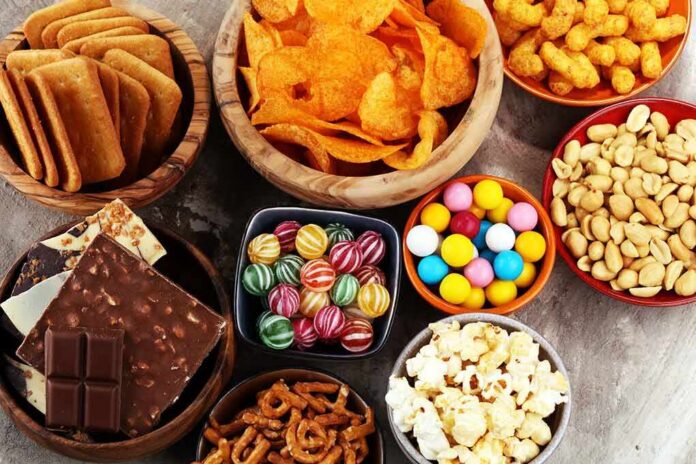
Consumer Reports tested 21 popular kids’ snacks and found that 14 of them contained a chemical contaminant at a level the group considers concerning.
Story Snapshot
- Consumer Reports lab-tested 21 packaged snacks marketed to children for acrylamide, phthalates, heavy metals, and other chemicals.
- Fourteen of the 21 products had at least one contaminant at a level the group flagged as concerning.
- Acrylamide, a chemical some health groups call a probable carcinogen, showed up in 13 of 14 products tested for it.
- Phthalates turned up in 10 of 21 products, but only three crossed Consumer Reports’ concern threshold.
- The Food and Drug Administration (FDA) has no set legal limits for most of these chemicals in food.
What The Testing Found
Consumer Reports, the nonprofit group known for independent product testing, ran lab tests on 21 packaged snacks aimed at kids. The lab checked for heavy metals, acrylamide, phthalates, and other chemicals like glycidyl esters and sodium nitrate. Fourteen of the 21 snacks, including granola bars, chips, pretzels, and graham crackers, had at least one contaminant at a level the group called concerning.
Jessica D’Argenio Waller, a Consumer Reports staffer who worked on the testing, said the lab found “contaminants in many packaged kids’ snacks” and that 14 of the 21 products tested had worrying levels of at least one chemical. The group published its full results on August 26, 2026, and updated the report on September 9, 2026, naming specific brands and products that crossed its concern lines.
Acrylamide Showed Up In Nearly Every Sample
Acrylamide stood out as the most common problem. It formed in 13 of the 14 products tested for it, according to the report. Acrylamide forms naturally when starchy foods like potatoes or grains get fried, roasted, or baked at high heat. Some health organizations classify it as a probable human carcinogen based on animal studies, though the FDA has not set a legal limit for how much can appear in food.
Phthalates, chemicals often linked to plastic packaging and food processing equipment, showed up in 10 of the 21 products. Only three of those products crossed Consumer Reports’ own concern threshold, a smaller share than acrylamide. Heavy metal levels, by contrast, stayed low across most of the tested snacks, according to the group’s findings.
No Federal Limits Exist For Most Of These Chemicals
Consumer Reports noted that the FDA has not set maximum allowed limits for most of the contaminants it measured. That gap means a company can legally sell a product even if lab tests detect acrylamide or phthalates, because no federal rule defines a “safe” ceiling for these chemicals in packaged food. Consumer Reports instead relies on its own internal benchmarks to decide what counts as concerning.
This isn’t Consumer Reports’ first time raising this issue. The group tested 55 supermarket foods and 11 fast food items in earlier research and found that 73 percent exceeded a cancer-risk benchmark set by European food regulators for acrylamide. A separate 2023 test of baby foods found phthalates in 81 percent of products checked, though most stayed below the group’s concern level.
Consumer Reports tested 21 of the most popular kids' snacks. 14 came back with harmful contaminants above CR's level of concern.
The worst three were Annie's Organic Cheddar Bunnies, Clif Zbar and Gimme Roasted Seaweed.
The contaminants they found:
Acrylamide: forms when… pic.twitter.com/QrAuHqzmFk
— Scout (@scouthealthapp) September 29, 2026
Parents looking at these results are left without a single government safety number to compare against. Consumer Reports has published lists of which specific snack brands and products crossed its thresholds, giving families a practical way to compare options on store shelves. The group says some snacks tested far better than others, meaning avoiding every packaged snack isn’t necessary, but checking specific products might be worth the effort.
For families who rely on packaged snacks for school lunches and quick meals, the findings highlight a regulatory blind spot that has existed for years. Consumer Reports has repeatedly tested packaged foods since at least 2023 and found similar patterns of acrylamide and phthalate contamination, suggesting this is not a one-time anomaly but a recurring feature of how these snacks get made and processed before reaching store shelves.
Sources:
youtube.com, consumerreports.org, wmur.com, yahoo.com